The Tecumseh Chamber of Commerce plays a crucial role in advocating for its members and strengthening businesses within the community. One of the key strategies employed by the Chamber is building relationships with local legislators. These efforts are aimed at fostering a favorable business environment, promoting economic growth, and addressing challenges faced by businesses in Tecumseh and surrounding areas.
By actively engaging with local legislators and advocating for policies that support business growth and prosperity, our members play a vital role in strengthening the business community and fostering economic development in the region.
Join us for one of our monthly Legislative Lunches to speak with our representatives face-to-face. Registration is required and lunch is provided for our members. Thank you to our 2026 sponsors, Gilbert Insurance & Tecumseh Tag Agency, Canadian Valley Electric, Countywide & Sun, and Berkshire Hathaway.
Legislative Wrap-Up Brings Community Conversation to the Forefront
The Tecumseh Chamber of Commerce, in partnership with Shawnee Forward, hosted the final regularly scheduled Legislative Session event of the season at the Citizen Potawatomi Nation Cultural Heritage Center. The Legislative Wrap-Up provided an opportunity for community members, business leaders, elected officials, and local stakeholders to hear updates from the 2026 legislative session and engage in conversation about issues impacting Oklahoma communities.
The event included remarks from state legislators, discussion of upcoming election matters, and an overview of key policy topics that may affect businesses, schools, families, local governments, and rural communities.
Recognition of Tecumseh Police Chief J.R. Kidney
A special moment during the event was the recognition of Tecumseh Police Chief J.R. Kidney. Representative Danny Sterling presented Chief Kidney with a legislative citation in honor of his recent installation as President of the Oklahoma Association of Chiefs of Police.
This recognition highlights Chief Kidney’s leadership, service, and the positive way he represents Tecumseh at the state level. We are proud to see one of our local leaders honored for his continued commitment to law enforcement, public safety, and communities across Oklahoma.
Key Topics Discussed:
State Question 832 and Minimum Wage
A significant portion of the discussion focused on State Question 832, which proposes raising Oklahoma’s minimum wage to $15 per hour by 2029 and tying future increases to the Federal Consumer Price Index.
Attendees heard differing perspectives on the proposal, including concerns about its potential impact on small businesses, local government budgets, employment opportunities, prices, and entry-level jobs. The conversation also included viewpoints supporting a wage increase, emphasizing the challenges faced by low-wage workers, families, and individuals trying to meet basic living expenses.
Those present were encouraged to read the full ballot language, review the sample ballot, research the candidates and issues, and make informed decisions before voting.
Education and Reading Proficiency
Legislators discussed several education-related topics, including renewed attention on reading proficiency. One key point emphasized was the importance of ensuring students learn to read before they are expected to read to learn.
The conversation also included the need to support and encourage young people entering the teaching profession, especially as schools continue working to recruit and retain quality educators. Legislators noted that public education remains a major responsibility of the state and, in many rural communities, school districts are also among the largest employers.
Parental Tax Credits and Rural Access
Parental tax credits were also discussed, with attention given to how these programs affect families across different income levels and geographic areas. Concerns were raised about whether rural families are able to fully utilize these credits due to limited access to private school options, transportation realities, and additional requirements that may not be practical for all households.
Childcare Access
Childcare remained a major topic of concern. Legislators acknowledged that Oklahoma continues to face childcare challenges, especially in rural areas and childcare deserts. With federal funding changes and increased pressure on providers, childcare access remains an important issue for workforce participation, family stability, and local economic development.
Student Health and Fitness
The discussion included updates on efforts to improve student health and address childhood obesity. Legislators spoke about school-based fitness programs and the importance of giving families helpful feedback about children’s health and wellness. The goal is to support students not only academically, but physically, so they are prepared for long-term success.
Public Safety and Transportation
Public safety was also discussed in relation to transportation concerns, including safety along Highway 177 between Tecumseh and Asher. Legislators noted ongoing conversations with the Oklahoma Department of Transportation regarding long-term improvements and the need to address dangerous traffic conditions in the area.
Juvenile Services and Local Priorities
Legislators also referenced ongoing work related to juvenile services, including conversations involving COJC and the Office of Juvenile Affairs. This remains an area of continued focus for local leaders and state officials as they work toward solutions that impact youth, families, and community safety.
Honoring Vice Chairman Linda Capps
The event also included a heartfelt moment recognizing Vice Chairman Linda Capps as she prepares for retirement. Linda was honored for her decades of service through education, the Citizen Potawatomi Nation, and her continued leadership in the community.
Her encouragement, wisdom, and investment in others have left a lasting mark on Tecumseh and the surrounding area. The Chamber extends its sincere gratitude for her years of dedication and wishes her a healthy, joyful, and peaceful retirement.
Thank You to Our Hosts and Sponsors
We extend our appreciation to the Citizen Potawatomi Nation for hosting this event at the Cultural Heritage Center and for their continued investment in our region.
Thank you also to our Legislative Session sponsors:
- Gilbert Insurance & Tecumseh Tag Agency
- The Countywide & Sun
- Canadian Valley Electric Cooperative/CVEC Fiber
Their support makes it possible to provide opportunities for community members to hear directly from leaders, ask questions, and stay engaged with issues that affect our local economy and quality of life.
Staying Engaged
This event marked the final regularly scheduled Legislative Session gathering for the season. However, with 2026 being an election year and with important issues continuing to develop at the local, state, and federal levels, the Tecumseh Chamber encourages members and community residents to stay connected.
Additional meetings or informational opportunities may be scheduled as needs arise. Please keep an eye on Chamber communications, social media, and upcoming event announcements for future opportunities to listen, learn, and engage.
As a bipartisan and neutral organization, the Tecumseh Chamber of Commerce remains committed to creating spaces where members and community stakeholders can access information, hear from leaders, and better understand the issues before them. We encourage every voter to research the candidates and questions on the ballot and make their voice heard through the election process.
April Legislative Luncheon
Key Takeaways & Updates
Local and state legislators shared updates on Oklahoma’s budget, education, healthcare, and economic development. Below are the most important highlights for our community:
💰 State Budget & Transparency
- The FY budget increased from $12.6B to $12.8B (approximately a 1.5% increase).
- Legislators emphasized this is a “responsible, controlled increase” given inflation rates of 3–4%.
- A major push is underway to improve budget transparency:
- Moving “off-the-top” funds into the appropriated budget so the public can better track spending.
- Goal: greater accountability and visibility for taxpayers.
- Ongoing concerns were raised about:
- Lack of communication in parts of the budget process.
- The need for slower, more transparent decision-making.
🎓 Education Investments & Outcomes
Education remains a top priority, with significant funding directed toward:
- Teacher Pay RaisesA $2,000 raise for teachers, tied to an extended school year.
- Literacy & Reading ProgramsReinstatement of a proven reading initiative previously used in Oklahoma.
- Investment of $50–60 million into literacy efforts.
- School SafetyExpansion of School Resource Officer (SRO) funding (~$50M).
- Key Insight:
Legislators stressed that while funding matters, student outcomes ultimately depend on having quality teachers in the classroom.
👨👩👧 Foster Care & Child Welfare
- Strong advocacy for improving Oklahoma’s foster care system.
- Focus on expanding Enhanced Foster Care programs.
- Acknowledgment that:
- Current systems are not adequately serving children.
- Reform will require significant investment.
🧠 Mental Health & Local Impact
- Concerns over mismanagement and delays in mental health funding at the state level.
- Local highlight:
- Citizen Potawatomi Nation paid off $1.7 million in debt for Gateway to Prevention & Recovery, stabilizing services.
- Ongoing issue:
- State-allocated funds have not yet reached providers, creating operational strain.
- Continued legislative pressure to ensure timely distribution of funds.
🏥 Healthcare & Medicaid Challenges
- Medicaid expansion continues to significantly impact the budget:
- Estimated $500 million increase in costs.
- Legislators are:
- Allocating partial funding now (~$250M).
- Planning future adjustments once clearer data is available.
- Broader concern:
- Healthcare costs may outpace budget growth in coming years.
- Possible upcoming state question to revisit how Medicaid is managed within the state constitution.
📉 Health Rankings & Public Health Efforts
- Oklahoma currently ranks near the bottom nationally in health outcomes.
- Programs like TSET (Tobacco Settlement Endowment Trust) are:
- Funding school nurses
- Supporting cancer care and rural healthcare
- Addressing youth vaping and prevention education
📈 Economic Development & Growth
- Continued focus on making Oklahoma a business-friendly state:
- Encouraging relocation of businesses and residents.
- Local wins include:
- $13.5 million in federal funding secured for regional airport improvements, supporting economic growth.
- Emphasis on:
- Expanding revenue streams beyond oil and gas.
- Creating long-term economic opportunities.
⚖️ Workforce & System Challenges
- Workforce shortages highlighted in several areas:
- Education (teacher shortages)
- Judicial system (court reporters)
- Budget adjustments included targeted raises to address critical shortages.
🗣️ Civic Engagement Matters
- Legislators encouraged:
- Ongoing communication from constituents
- Public involvement in upcoming policy decisions and state questions
- Key message:
- Transparency and accountability improve when citizens stay informed and engaged.
📅 What’s Next
- Legislative session may conclude earlier than expected (early May).
- Community members are encouraged to attend:
- Candidate Hob Nob – April 23
- Final Post-Session Legislative Luncheon – June 12
🤝 Chamber Commitment
The Tecumseh Chamber of Commerce remains committed to:
- Advocating for policies that support business, education, and community health
- Keeping our members informed and engaged
- Serving as a bridge between local voices and state leadership
Tecumseh Chamber Legislative Update
February 2026 – Session Overview
The Tecumseh Chamber recently hosted our second Legislative Lunch of the year, bringing together local business leaders and state representatives to discuss priorities impacting our community.
Below are the most significant themes emerging from current legislative discussions:
1. Workforce Development
Workforce shortages remain the top concern across Oklahoma. Key focus areas include:
- Skilled trades training
- Healthcare workforce recruitment
- Teacher retention
- Career readiness partnerships
Continued investment in programs such as Gordon Cooper Technology Center and local school-to-career pipelines is expected to remain a priority.
2. Infrastructure Investment
Legislators continue to prioritize:
- Rural road and bridge improvements
- Broadband expansion
- Water and wastewater infrastructure upgrades
Infrastructure funding is critical for business growth, economic development, and community stability.
3. Tax Policy & Business Climate
Discussions are ongoing regarding:
- Income tax structure adjustments
- Business incentives
- Regulatory reform
Any changes could directly affect operating costs and reinvestment strategies for small businesses.
4. Education & Career Readiness
Education remains central to long-term workforce sustainability. Topics include:
- Teacher recruitment and retention
- School funding models
- Career Tech partnerships
- Accountability and performance standards
Communities like Tecumseh — where business and education are closely tied — will continue to monitor these discussions closely.
5. Rural Healthcare Stability
Legislators acknowledged ongoing challenges with:
- Hospital sustainability
- Access to care in rural communities
- Healthcare workforce shortages
Healthcare stability directly impacts workforce participation and economic growth.
6. Public Safety & Emergency Preparedness
Funding for law enforcement, emergency management, and disaster response remains a priority — particularly important for communities that have experienced severe weather events.
Why This Matters
Policy decisions at the Capitol influence:
- Hiring and workforce availability
- Business operating costs
- Infrastructure expansion
- Education systems
- Healthcare access
📱 Stay Connected with the Oklahoma Legislative Guide App
Thanks to Canadian Valley Electric for sharing this free app from the Oklahoma Association of Electric Cooperatives.
The
Oklahoma Legislative Guide app gives you:
• Contact information for state and federal legislators
• Committee assignments and district maps
• Interactive search by county or district
• Easy access to legislative calendars and member contact data
Why it matters:
This tool makes it easy for business owners and residents to connect with elected officials, look up who represents them, and stay informed about bills and session progress — right from your phone or tablet.
📲 Available for free on Apple and Android devices (search “Oklahoma Legislative Guide”). Legislative App & Guide – Oklahoma Assn of Electric Cooperatives
The Tecumseh Chamber remains committed to ensuring our business community’s voice is heard and represented throughout the legislative session.
Legislative Kickoff Luncheon Recap: What to Watch in the Upcoming Oklahoma Legislative Session
As Oklahoma’s legislative session approaches, local business leaders and community members gathered to hear directly from state legislators about the challenges and priorities shaping the year ahead. Education, mental health, healthcare, taxation, and workforce development emerged as central themes—each with significant implications for rural communities and small businesses.
Below is a recap of the key discussions and what they could mean for our region.
Education: Literacy, Workforce, and the Future of Learning
Education remains one of the most talked-about issues at the Capitol, with a strong emphasis on early literacy.
Key Points:
- Legislators stressed the importance of ensuring children can read proficiently by third grade, marking the shift from “learning to read” to “reading to learn.”
- The proposed Smart Readers Act (HB 4420) focuses on early screening, targeted interventions, and improved reading outcomes.
- While no final funding figure is attached yet, the bill is expected to include targeted investments to help students stay on track.
Workforce Connection:
- CareerTech, apprenticeships, and workforce alignment were repeatedly emphasized.
- Lawmakers highlighted the growing demand in aviation, healthcare, skilled trades, and technical fields.
- Artificial intelligence (AI) is rapidly reshaping education and workforce training, prompting discussions about major investments to ensure Oklahoma stays competitive.
Why this matters for small towns:
Strong literacy and workforce pipelines are essential for attracting employers, supporting local businesses, and ensuring students can stay—and thrive—in rural communities.
Mental Health: A Crisis Reaching Every Community
Mental health was described as one of the most urgent and unresolved challenges facing Oklahoma.
Key Points:
- State mental health systems continue to face instability, including budgeting issues and delayed care.
- Legislators shared real-world examples of families and children waiting months for psychiatric services.
- An estimated 40–70% of county jail populations have mental health needs, placing additional strain on local law enforcement and courts.
Community Role:
- Speakers emphasized that government alone cannot solve the mental health crisis.
- Churches, nonprofits, schools, and community organizations were identified as essential partners.
- Local, grassroots solutions were encouraged as part of a broader support network.
Why this matters for rural communities:
Limited access to providers means rural areas feel these challenges first—and often the hardest. Community-based collaboration will be critical.
Healthcare & Medicaid: Budget Pressures Ahead
Healthcare funding is expected to be a major budget driver over the next several years.
Key Points:
- Oklahoma faces significant shortfalls in healthcare funding, including Medicaid.
- Legislators discussed concerns about long-term sustainability, federal matching dollars, and limited flexibility due to constitutional requirements.
- Rural healthcare access—especially hospitals and clinics—was highlighted as a growing concern.
Why this matters for small businesses:
Healthcare costs directly impact employers, employees, and the overall cost of doing business in Oklahoma.
State Budget & Government Efficiency
Lawmakers repeatedly returned to one core responsibility: passing a balanced budget.
Key Points:
- Revenue growth appears to be slowing, increasing pressure on state agencies.
- Legislators expressed concern that agencies consistently request budget increases without demonstrating efficiencies.
- Several lawmakers advocated for flat budgets and closer scrutiny of spending.
Small business perspective:
Just like businesses and families adjust when revenue changes, legislators argued that government should do the same—focusing on efficiency before asking taxpayers for more.
Taxes: Property (Ad Valorem), Income, and Grocery Tax Debates
Tax policy generated some of the most extensive discussion.
Property Taxes (Ad Valorem):
- Multiple proposals aim to reduce or freeze property taxes, particularly for seniors.
- Some legislators support phasing out the homestead portion of property taxes over several years.
- Others raised concerns about impacts on schools, counties, renters, and small businesses.
Replacement Funding:
- Debate continues over how lost revenue would be replaced—or whether government should be required to “right size” instead.
- One proposed approach includes reinstating the grocery tax to offset reductions for seniors and homeowners.
Why this matters locally:
Property taxes fund schools, counties, and infrastructure. Changes could affect public services, renters, and business costs—making this a key issue to watch.
Workforce Development & Economic Growth
Workforce readiness was framed as both an opportunity and a caution.
Key Points:
- Oklahoma is investing in training aligned with future industries, including healthcare and aviation.
- Leaders emphasized the importance of balance—not overcorrecting toward trends that may change quickly.
- Skilled trades like plumbing, HVAC, and construction were highlighted as stable, in-demand careers.
For entrepreneurs and employers:
Private businesses—not government—were repeatedly identified as the most agile and effective solution to workforce needs.
What This Means for Small Businesses & Rural Communities
Throughout the discussion, several consistent themes emerged that directly affect small towns and local employers:
- Local voices matter: Legislators encouraged business owners and residents to engage directly—not just through lobbyists.
- Cost matters: Mandates, regulations, and unfunded requirements often raise costs that ultimately fall on consumers and small businesses.
- Community solutions work: Whether addressing mental health, workforce gaps, or economic development, local collaboration is essential.
- Engagement is critical: This session—especially in an election year—creates opportunities for communities to influence priorities.
Looking Ahead
The upcoming legislative session is expected to be challenging, complex, and consequential. Education, healthcare, mental health, taxation, and workforce development will dominate discussions, with real impacts on Oklahoma’s rural communities.
As always, staying informed and engaged will be key to ensuring policies reflect the needs of local businesses, families, and communities.
Set your calendars with these dates for our upcoming Legislative Lunches and your opportunity to join us in these conversations: February 20th, April 10th, and June 12th.
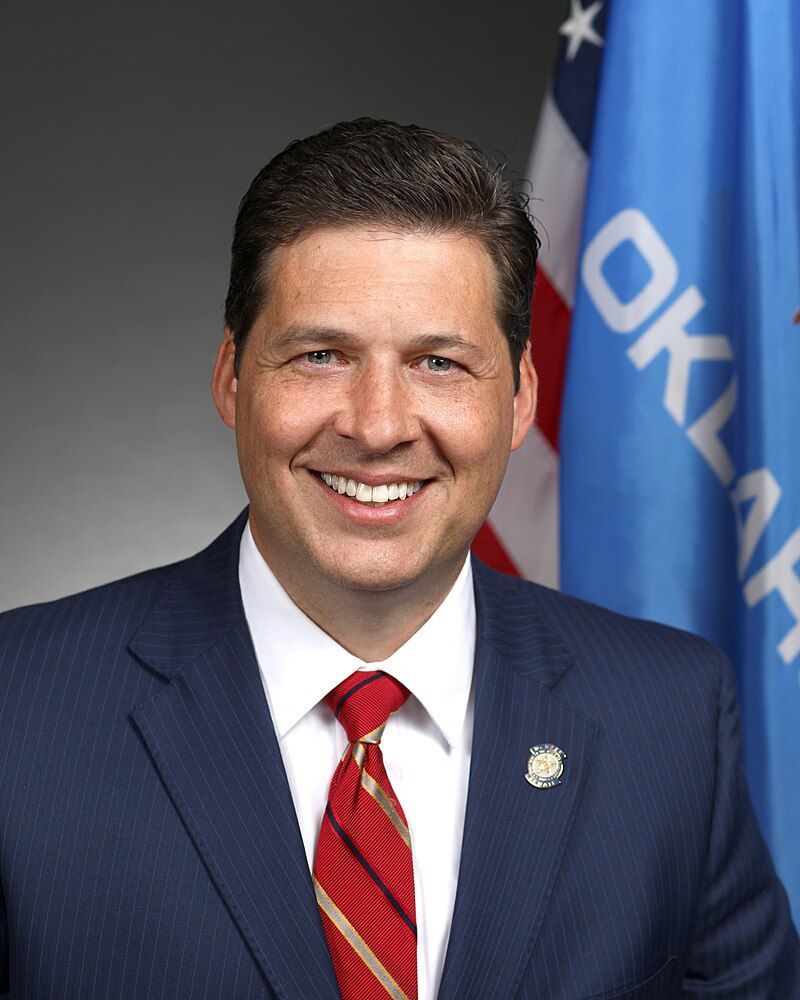
Senator
Shane Jett
District 17
405-521-5539
shane.jett@oksenate.gov
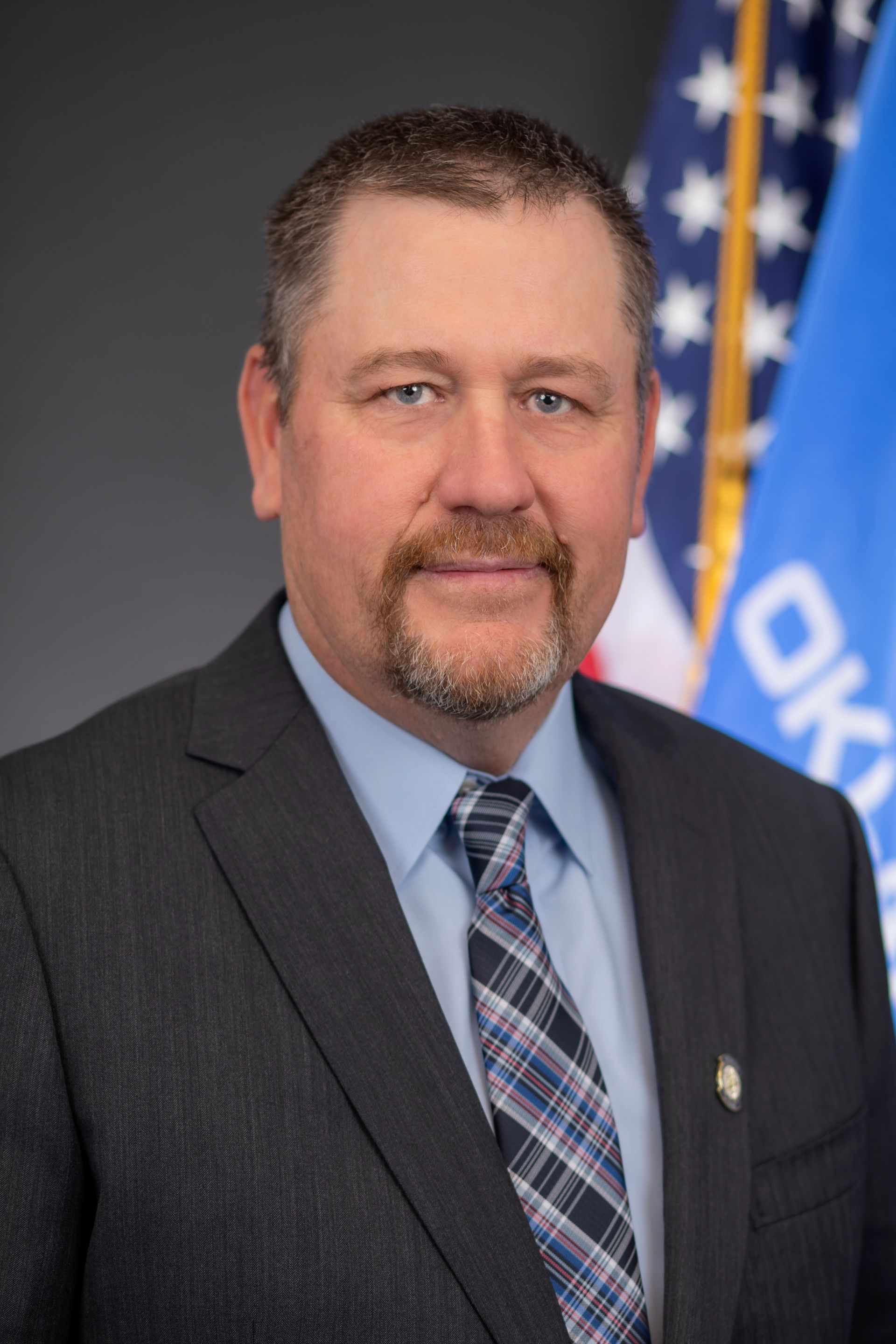
Senator
Grant Green
District 28
405-521-5547
grant.green@oksenate.gov
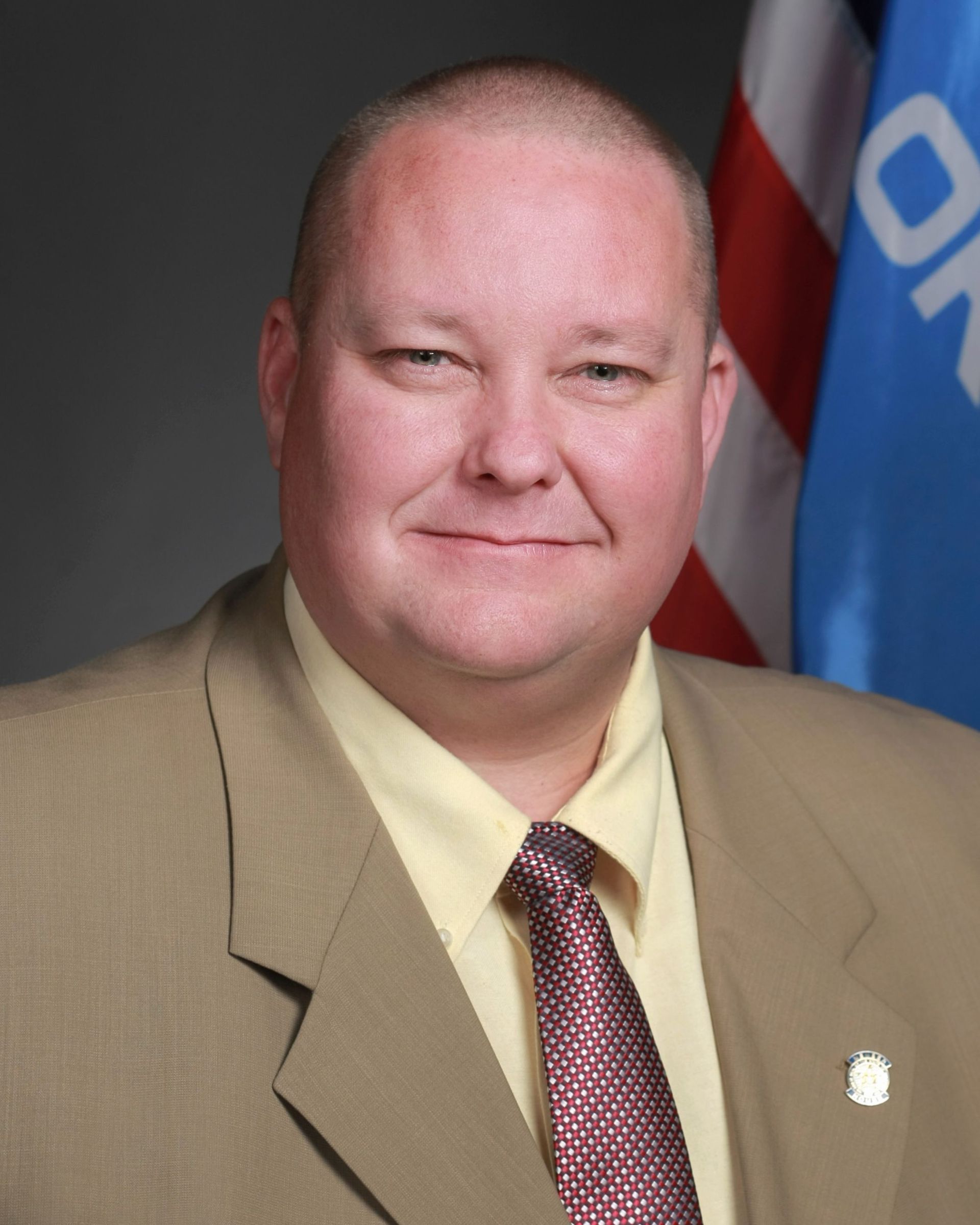
Representative
Dell Kerbs
District 26
405-557-7345
dell.kerbs@okhouse.gov
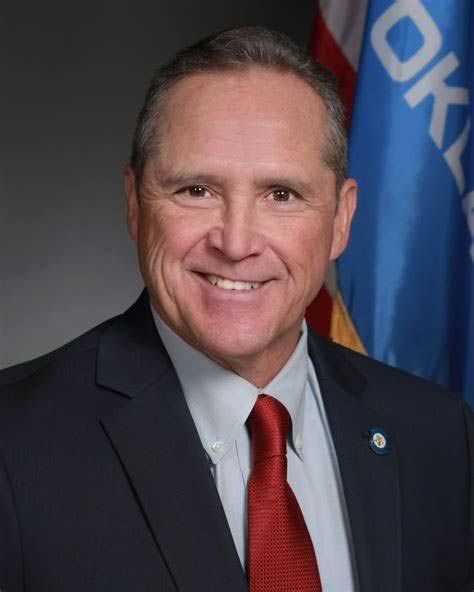
Representative
Danny Sterling
District 27
405-557-7349
danny.sterling@okhouse.gov
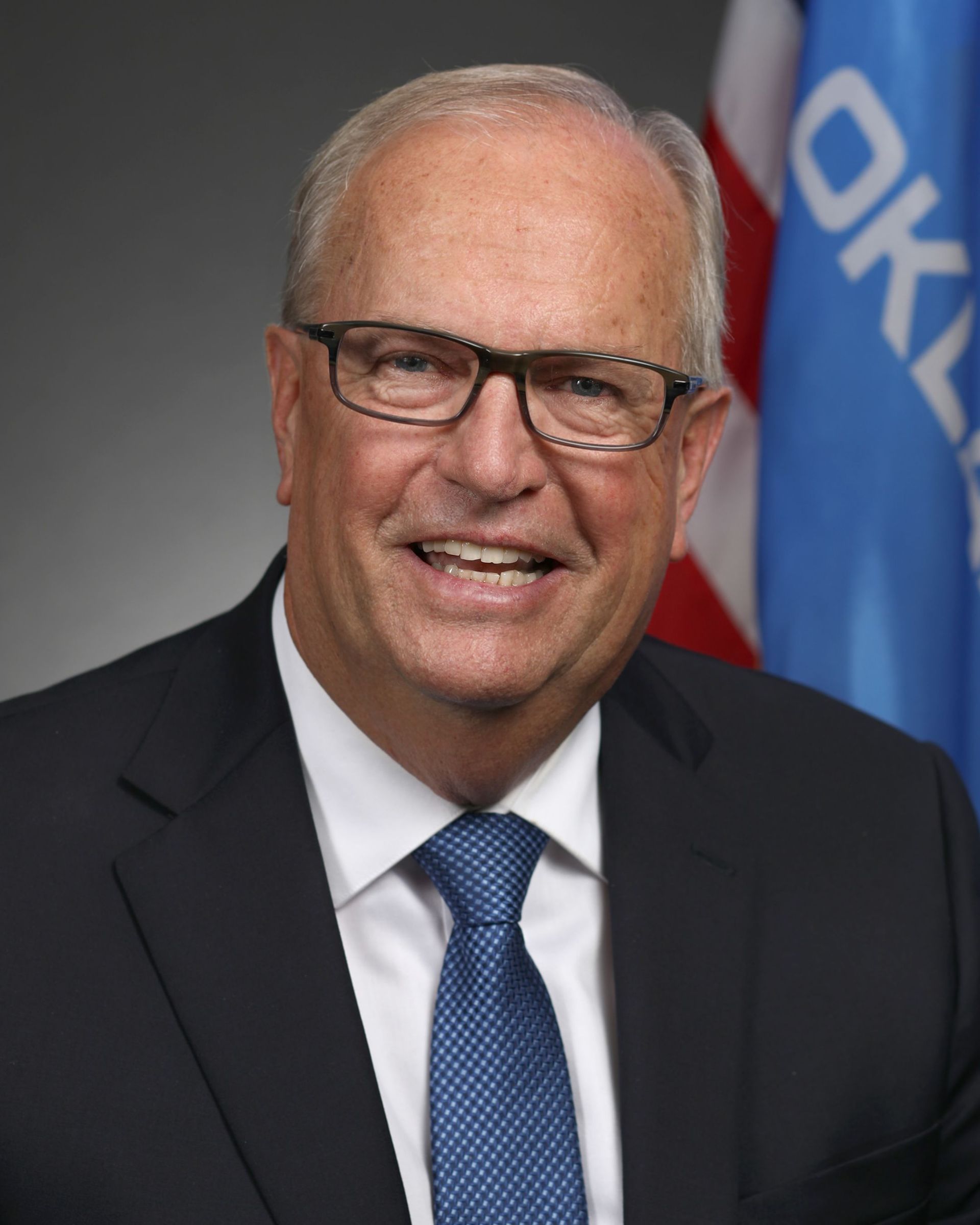
Representative
Danny Williams
District 28
405-557-7373
danny.williams@okhouse.gov